

Zé miè mù, dàguò. Jūnzǐ yǐ dúlì bù jù, dùn shì wú mèn.
澤滅木 大過 君子以獨立不懼 遯世无悶
Marshes destroying the trees is the natural pattern of the hexagram DàGuò大過 ䷛/Great Exceeding. Learning from this, one should be fearlessly be your independent self and avoid the emotional quagmire of any bad situation.
-DaXiang
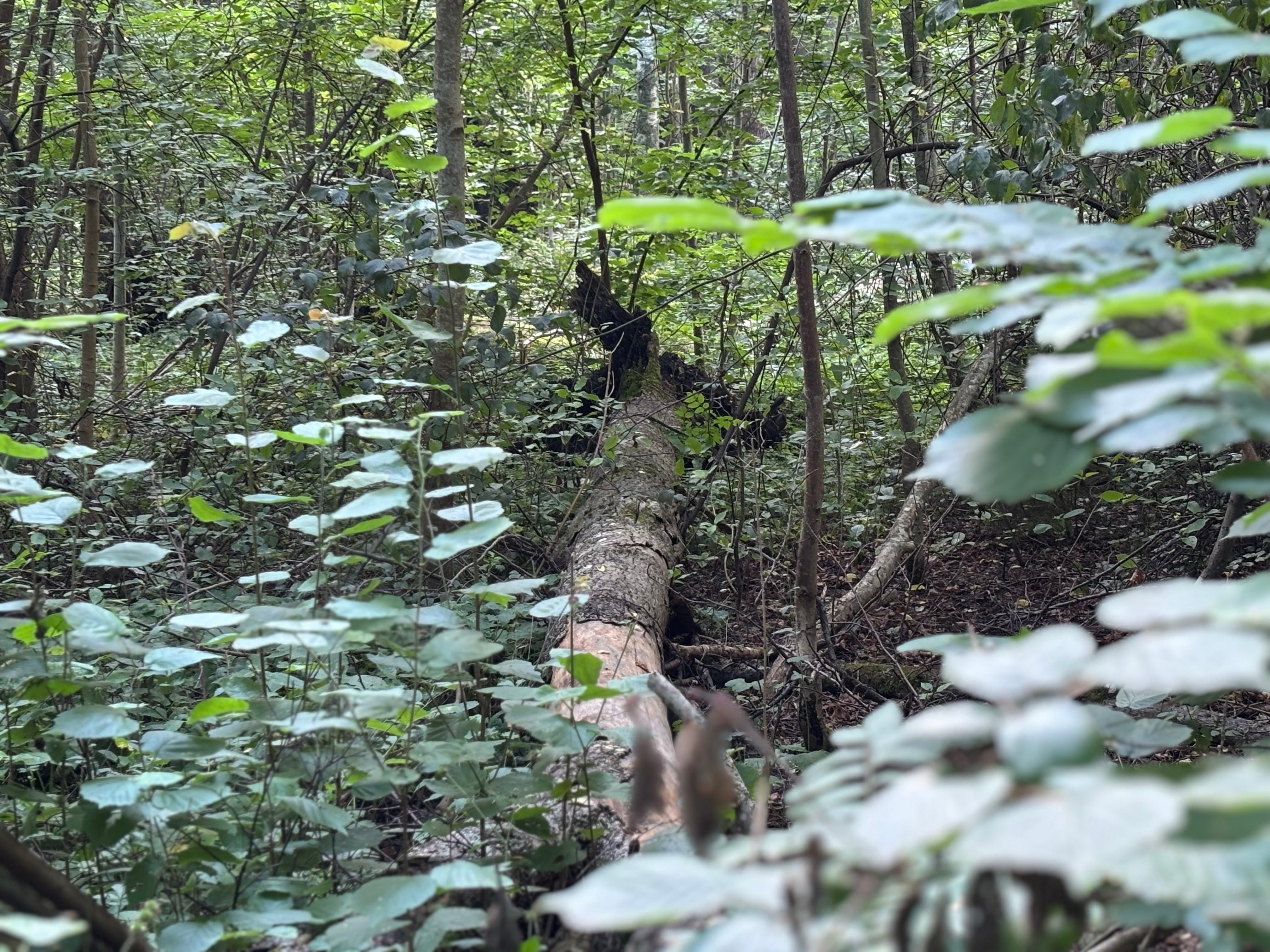
Fig. 1 The natural image of the DàGuò Hexagram — a fallen tree after a big rainstorm
As you read this DaXiang sentence, you might feel that the description for this hexagram structure is quite different from most of the other hexagrams we have discussed. Yes, the first three words are used describe the structure of the hexagrams instead of the usual four. Additionally, the description about the relationship between the upper and lower trigrams is also quite unique.
Let’s start with the first word Zé 澤, which means marsh, swamp, nourish, grace, brilliance, damp, moist, or fertile. It is the symbolic name of the top trigram ☱ Duì 兑. The second word Miè 滅 means extinguish, obliterate, be destroyed, perish, disappear, or destroy. The third word Mù 木 means wood, tree, or timber. It is a symbolic name of the bottom trigram ☴ Xùn 巽. You may notice in DaXiang that there are two typical symbolic names for Xun trigram, Mù/Wood and Fēng/Wind. By my understanding of the Five Elements principle, both Mù/Wood and Fēng/Wind belong to the Wood Element. Wood, which has a physical shape that is connected to the earth and Wind is shapeless phenomenon which is connected with the sky or the universe at large.
Together, Zé miè mù means that swamps/marshes are destroying trees.
